Buying a Toronto House With a Recent Roof Repair
Only have 30 seconds?
- Ask which roof section was repaired, what prompted the work and when it was finished.
- Match each invoice and photo to an identifiable part of the house.
- Ask the inspector which areas they could see and what remains uncertain.
- Start with the Roof for Homes guide to look up unfamiliar repair terms.
Ask what the seller means by recent roof work
A seller might describe a house as having had roof work last spring. That could mean the front slope was replaced, several shingles were secured near an edge or a roofer repaired the junction where a rear addition meets the wall. Each description points to a different part of the structure. Ask what happened, who performed the work and which roof sections stayed as they were. A helpful answer might identify the rear slope over the kitchen and name the precise section repaired. You can then discuss that area with the person inspecting the house.
Start by asking for the work order and the final invoice. A proposed quote can show what a contractor was prepared to do. A final itemized invoice may show what they actually billed for, including changes that arose once work began. Ask for any completion note that explains those changes. When the seller has only a brief receipt, use it as a lead. It may give you the contractor’s name, date and job number. With the seller’s knowledge, ask whether the contractor can identify the work and provide more detail about its boundaries.
Write down three separate dates if you have them. Record when the problem was first noticed, when the work was completed and when the area was last checked afterward. Suppose an upstairs ceiling stain appeared in March and a roofer worked on the chimney in April. If the seller also says there was a separate repair to the rear addition in May, record both projects on separate lines. You can ask the inspector which notes and photos appear to correspond to the same part of the property. Separate dates make it easier to see where the timeline has gaps.
Make a simple record of the repaired area
Use an ordinary description that someone can recognize during a showing. For example, write “left of the rear chimney above the upstairs hall” or “low roof over the kitchen addition beside the second-storey wall.” The seller, inspector and roofer may use different names for the same area. A wide photo can give them something concrete to point to. A close-up showing a clean line of shingles or sealant is harder to place by itself. Ask for a photo that includes a landmark such as the chimney, wall, window or change in roof height.
Put evidence into pairs where possible. An invoice line describing the rear wall junction can sit beside a photo labelled with the same location and date. A final invoice that includes roof decking can sit beside a work photo or a written note explaining where that material was installed. If dates or labels differ, keep both and make a note of the uncertainty. You may discover that a photo predates the final visit or shows another slope from an earlier job. Resolve that with a question before drawing a conclusion from the image.
The same process works for small repairs. A plumbing vent boot is the fitting that helps seal around a pipe where it passes through the roof. If it was changed, ask which pipe the record concerns and where it exits the roof. A single house may have more than one prominent pipe or vent. A location note helps the inspector connect the repair to the correct area. See the roof inspection report guide for ways to keep location, condition and access limits visible in the same record.
Give the inspector a question they can answer on site
Send the repair records before the inspection if the inspector can accept them. Explain why you are asking about the area and give them the most useful wide photo. A question like “What can you see today at the rear addition junction, and is there any related evidence inside?” is practical. The inspector can tell you which observations are available and which are limited. If there was a stain indoors, give its room and location and ask whether it is possible to see the relevant area of the attic or ceiling structure.
A home inspection is visual, and some roof areas may be impossible to see or assess safely during the appointment. Ask beforehand which views they expect to use and whether weather, obstructions or the building layout could limit access. Ask how those limitations will appear in the report. If the inspector can see part of a slope from the ground or from another suitable position, they can explain what that view shows. Keep their description of visible conditions beside the seller’s records. Together they can help you decide whether to seek a more targeted assessment.
At the end, ask the inspector to identify any unanswered question that could change your plans for the house. A useful answer might be that the repaired slope was visible but the underside of the rear addition could not be accessed. Ask whether a roofer could assess the specific area and what arrangements would be needed. If your decision depends on timing, discuss the deadline with the people handling the purchase and schedule any follow-up while you still have the chance to use the result.
Follow up on an old stain with a dated history
If the seller says a stain predates the repair, ask which room it was in and whether they observed any change after later rain or snowmelt. Find out if the ceiling was painted or the drywall was repaired after the roof work. That sequence can help an inspector understand which evidence is still visible. Ask the seller to describe what they saw in plain words. An observation such as “the stain got darker after the last heavy rain” gives an inspector a better question to investigate than a broad assurance about the whole roof.
Record where the repair took place relative to the stain. If the roofer worked on the rear addition and the old mark is upstairs over the stairs, the two locations may need separate questions. Present both locations and the timeline to the inspector so they can explain what they can reasonably assess. If you see a newly painted rectangle or a ceiling repair, ask about the history without assuming why it was done. A photo, a date and a description give the seller and inspector something specific to respond to.
If the history remains unclear, ask for a written next step before accepting a rough budget. The next step might be a roofer reviewing a junction or an inspector checking a different part of the house from a suitable position. A targeted question makes it easier to compare what the follow-up actually covers. If there is a suggestion that the whole roof requires work, ask which evidence prompted that conclusion and whether more inspection is needed to define the extent.
Ask the issuer what happens to a warranty after closing
A seller may have a warranty from the contractor or a document covering installed materials. Ask who issued each document, which work or products it covers and the relevant start date. Find the contact details on the document. Ask the issuer to confirm whether a new owner can make a claim and whether there are forms, deadlines or supporting records they require. Keep their answer with the invoice so you can find the right information after the transaction.
Ask whether the warranty relates to the repaired section alone or to a wider project. A sale listing might mention a roof warranty without identifying the roof section. If the contractor repaired only a rear junction, get written clarification about the work covered by that document. Also ask how to report a problem if moisture or damage appears in the future. The roof warranties and follow-up guide explains how to keep those records accessible and which questions to ask about coverage.
If the issuer cannot confirm the address or job number, ask the seller for the missing details. If the company is unavailable, record that fact when considering what value to assign to the warranty. You can still use the invoice and the inspector’s findings to understand the work, even when questions about coverage remain open. Keep the inspector’s condition findings and the issuer’s coverage answers together so they are easy to review independently.
Plan a site visit near Bloor and Jane
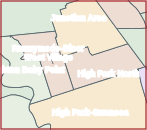
The map above shows the Bloor West Village area, where Jane Street meets Bloor Street West. Jane Station is a useful public reference for someone arriving by TTC. Give the inspector the exact property address and the entrance where you are authorized to meet. If the repair is behind the house, ask the seller or their representative how the inspector may reach the rear yard. Confirm permission for any shared routes through the people arranging the visit.
- Parking and unloading. Give the inspector the address, the proposed parking spot and any limits on using the drive. Ask them to check posted signs when relying on public parking.
- Walking and cycling. Give the closest intersection and the meeting entrance. If someone is arriving by bicycle, ask the person arranging access where it can be left without blocking the route.
- Accessibility. Identify steps, uneven paths and gates before the visit. Ask whether there is an accessible meeting point. Discuss access to the relevant rooms or yard in advance.
If you are planning a follow-up for a separate roof assessment, ask how much time is needed and what conditions could cause the visit to be rescheduled. Give the specialist the same roof location and photos you sent the home inspector. Ask them to explain what they can assess during the scheduled visit and whether the seller needs to arrange access in advance. A short call about the scope can save the time it takes to schedule another visit.
Keep one record for the owner who will live there
Before making a decision, assemble a brief summary with the repair location, dates, contractor, relevant photos and the inspector’s access limits. Add the seller’s account of any older stains or leaks, even if the findings are still uncertain. Where the records are incomplete, write down the remaining question and the person who might be able to answer it. You can then decide which questions matter before closing and which can go on a maintenance list for later.
If you buy the house, save the original files in a location you can find quickly. Put a simple plan or photo beside the warranty details so you can identify the area after the house is occupied. If a new symptom appears later, you can tell the next inspector or roofer what work was already done and where. Those records help the new assessment start with a specific location and a dated history, even if the person who arranged the original work is no longer available.