Roof Repair or Replacement in Toronto: When Is a Shingle Repair Enough?
Only have 30 seconds?
- Start with the RoofFor.homes homeowner guide for related roofing resources.
- Ask for photos of the damaged area and the rest of the roof before comparing scopes.
- Have the roofer show where a local repair would stop and explain whether the shingles along that boundary can be worked on.
- Get the price, scope and any conditions that could change the work in writing.
Find out how much of the roof is affected
A roof can look like one surface from the street, although it may have several separate sloping faces. Roofers often call these faces slopes or planes. Damage on one plane can be easier to isolate than damage that appears on several. Ask the roofer to identify the affected plane and show how it connects to the rest of the roof. For example, a rear slope may end at the main ridge, meet a side slope at a valley or continue onto a lower section.
Begin with what you can see from the ground. If you notice a bare patch, a raised edge or shingle pieces on the lawn, tell the contractor where you saw them and when. A ground-level image can help the roofer identify the general area. Leave the close inspection to the contractor. The view from the driveway may hide the area above a rear addition or the slope facing a neighbouring house.
Ask for a wide photograph of each face included in the assessment and closer images of the damage. Strong photos do more than show one missing shingle. They help you see whether the shingles around it remain flat and whether the same condition appears elsewhere. Give the photos orientation labels such as front, rear and driveway side so that later discussion refers to the same parts of the roof.
When a local shingle repair can be a sensible option
A roofer may recommend localized work when a small group of shingles was damaged and the surrounding material is still suitable for a repair. Ask what marks the boundary. The repair may need to extend beyond the most visible missing pieces to include shingles disturbed next to them. The quote should identify that area and explain how the repaired section will connect to the existing covering.
A matching replacement product can also matter. Ask which shingle the roofer intends to use and what they have checked about compatibility. On an older roof, even a shingle sold under the same colour name may look different from the weathered shingles around it. Ask about expected appearance from the ground separately from fit and performance. A reasonable visual match can be part of the homeowner’s decision, especially on a prominent front slope.
Consider a rear roof face with a small damaged area after a single incident. The roofer shows intact shingles around it, identifies a compatible replacement and explains what would make the patch larger when work begins. That gives the homeowner enough information to review a repair estimate. Ask for the condition of the remainder to be recorded so the report can be compared with any inspection later. The missing and damaged shingles guide covers observations you can share before the appointment.
When to ask for a broader replacement quote
Ask for a wider assessment if photos show repeated problems across more than one slope. The pattern might include missing pieces in separate locations or damaged shingles in areas that have already been patched. Ask which findings suggest the problem extends beyond the obvious damage and whether those findings apply to the entire roof or only to particular slopes.
The age of the roof is useful context. If you have an old invoice, use it to establish when the relevant roof covering was installed and whether all sections were done at once. A house can have an older main roof and a newer roof over an addition. Ask the roofer to assess those sections individually. The same age can correspond to different observed conditions, so ask what the current inspection shows before accepting an age-based conclusion.
Where the roofer recommends replacement, ask them to explain whether they are proposing a whole slope, a group of slopes or the entire roof. Get those limits written down and ask what would remain in service. A whole-slope option may offer a wider repair boundary for a roof face with extensive damage. The roofer needs to explain how it will connect to the sections that stay. Ask about those connections and the implications for future work if the rest of the covering will need attention later.
Compare recommendations using two examples
Imagine one inspection shows a small damaged area on a relatively uniform slope. The contractor sees no comparable damage in other photographed areas and can explain where the replacement shingles will meet material they consider sound. The homeowner can ask for a price for that defined patch and a written description of the conditions that might expand it. An invoice and photos can show exactly which area was addressed.
Now imagine the first damaged area sits among several old patches, and photos show additional damaged shingles on two other faces. Ask the roofer to explain each condition and give the proposed repair limits on a diagram or a set of marked photos. A collection of individually priced repairs might look affordable at first, but it helps to compare the combined scope with a slope or whole-roof proposal. Ask what work each option leaves for later and which sections could reasonably be addressed in phases.
In both examples, the quality of the inspection matters. If one contractor inspected the visible front and another photographed several slopes, ask how each reached their recommendation. They may be answering different questions. Find out which areas they had access to and what they could verify. If the recommendation remains uncertain, ask what additional inspection would resolve the main question before you authorize work.
Ask what happens if the underlying roof condition differs
A shingle inspection can establish a lot about the surface, but some conditions become clearer only after a contractor lifts or removes part of the covering. Ask what the proposal assumes about the material underneath. The roof deck is the surface that supports the roof covering. If the condition of that deck is uncertain, ask how the roofer would document an unexpected finding and what work would need separate approval.
Get an explanation of any allowance in the quote. If it covers a particular amount of additional work, ask how that amount is measured and what happens when it is exceeded. If the roofer plans to contact you before expanding the scope, agree who will answer and which decisions you want in writing. A photographic record with a location helps you understand what changed while the job is underway.
Ask how the roofer manages interruptions or changes due to weather. Confirm what work can be done under the expected conditions, who will communicate a delay and how the area will be protected if work must pause. These questions apply to a small patch as well as a replacement. The contractor’s answers should fit the proposed work and the particular roof.
Compare the offers on the same work
Set two quotes side by side and write down the roof face, the limits of removal, the proposed material and what happens at the edge of the work. Confirm how cleanup and removal of old material are handled. Ask the companies to identify any part of the roof they excluded or could not see. The repair-or-replace guide can help you prepare questions about the scope.
Check whether the quote states what the contractor will do if matching material is unavailable. Ask how they will confirm the choice with you before ordering. If a larger job is proposed, get the material description for that job too and ask which roof areas the warranty covers. A repair warranty may apply only to the portion worked on. Ask who you would contact and which records the contractor would need if you have a later question.
Set a decision point before approval. You may want a local repair if the roofer can identify a solid boundary and suitable material. If they find more extensive damage, you may want a price for a larger section and time to consider it. Write down the information you need for that decision now. It is easier to compare the options during a calm review of the photos and scope than during a surprise call while work is underway.
Plan access for the Toronto roof assessment
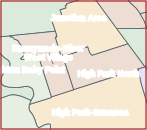
Use the map above to orient the visit near Jane Street and Bloor Street West. Give the roofer the actual address, postal code and closest cross street. For a house where the rear roof face is difficult to see from the street, describe the approach from a driveway or gate. If the estimator expects an indoor observation as part of the visit, identify who will admit them and where to meet.
- Parking and unloading. Tell the office about a driveway or legal stopping location and whether equipment must be carried to the back.
- Shared access. Identify who can open a gate or arrange permission for a passage shared with a neighbouring property.
- Transit and walking. If you are meeting near Jane Station, confirm the actual address and door with everyone attending.
- Accessible entry. Give details about steps, gates and any step-free option for the indoor conversation. Let the contractor assess their own roof access separately.
If the roof can only be observed from a particular side, explain that at booking. Give the dispatcher a simple landmark, such as the driveway beside the house or the door near the rear addition. A clear arrival plan lets the contractor arrange the inspection and photograph the appropriate roof faces.
Keep a record of the decision and the finished roof work
Once you choose an option, keep the final scope with the dated photographs and the invoice. Ask the contractor to label the area they worked on and identify any slope or section that remains unchanged. Record the product used and the contractor’s explanation of any colour variation. If they recommend another inspection after a particular event or interval, ask what the next inspection is meant to check.
The decision between roof repair or replacement in Toronto starts with the condition and extent of the actual roof covering. Ask the roofer to show the damage across the roof faces, define the edge of a workable shingle repair and explain what evidence supports a wider scope. Those details give you a basis to approve work and a record to refer to when the roof is assessed again.